
Travel CRM development
Travel CRM Development for Tour Operators, DMCs and Travel Agencies
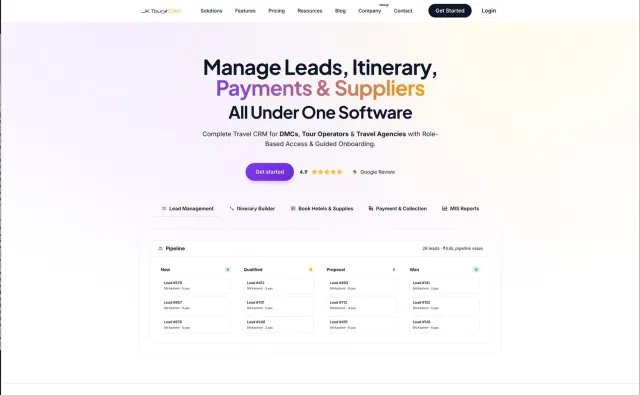
I am Shahid Malla, a freelance CRM developer. Travel CRM development with me gives you a Laravel system built around how your company sells trips: leads from the website, WhatsApp and phone in one pipeline, day-wise itineraries, branded PDF quotes, supplier rates and payables, and payments. I built JK Tour CRM, a product of ElySpace, where I am CTO; its site is live at jktourcrm.com.
Free scoping call of about 30 minutes · written quote within one business day · two weeks of support after delivery
By Shahid Malla, AI agent and AI chat developer, full-stack developer · Updated
When is travel CRM development worth it over a ready-made product?
It is worth it when your quotes, rates or supplier payments follow rules that a ready-made product cannot model, and your staff keep the real numbers in a spreadsheet beside it. Ready-made tour operator and travel agency software is a serious option, and for many agencies it is the right one.
| Question | General CRM with custom fields | Ready-made tour operator or DMC software | Custom travel CRM |
|---|---|---|---|
| Itineraries and quotes | Not built in; usually a document template | Built in, in the product's format | Built around your own days, hotels and quote layout |
| Supplier rates and markups | A spreadsheet on the side | Built in, within the product's rate model | Your seasons, meal plans and markup rules |
| Time to first use | Short | Short, plus loading your rates | Longer; a written scope comes first |
| Cost pattern | A subscription, often per user | A subscription, often per user | A build cost, then hosting and upkeep |
| Data and exit | Held by the vendor | Held by the vendor | A MySQL database on your server |
| Upkeep | The vendor | The vendor | Yours to arrange, through a developer |
Buy when the product's quote format and rate model match how you sell, or when nobody on your side will own the upkeep. Build when the side spreadsheet holds your margins, or when the CRM has to sit behind your own booking website. For a CRM outside travel, see CRM development.
What does a travel CRM do from first inquiry to supplier payment?
It follows one booking through every stage, so nobody retypes the same trip into a second tool.
| Stage | What the CRM records |
|---|---|
| Inquiry | The source (website, WhatsApp, phone or partner agent), travel dates, group size, interests, an owner and a follow-up date |
| Itinerary | A day-wise plan built from your saved days, hotels, transfers and activities |
| Quote | The cost from supplier rates, your markup, the selling price and a branded PDF or share link with a revision number |
| Confirmation | The deposit received, suppliers booked and vouchers issued for hotels, drivers and activities |
| Departure | The trip on a departures calendar, with the guide, the driver and the rooming list |
| Settlement | The balance collected, each supplier paid and the booking's margin closed |
Payments run through Stripe, PayPal or Razorpay, and a payment counts only once the gateway's signed webhook arrives. Money is stored as whole minor units with a currency code, and the exchange rate used is saved on each quote, so a margin worked out in March still matches in June.
How does the itinerary builder turn supplier rates into a quote?
Staff assemble the trip from saved days and services, and the CRM prices each line from the supplier's rate for those dates, adds your markup and shows the margin before anything is sent.
- Hotels and houseboats. A rate per room per night by season and meal plan, in the codes your suppliers already quote: EP (room only), CP (with breakfast), MAP (breakfast and dinner) or AP (all meals). Single, twin and triple occupancy, extra beds and child rates are separate lines.
- Transport. A rate per vehicle type, per day or per route.
- Activities and guides. A rate per person or per group.
- Markups. A percentage or a fixed amount per supplier type, season or partner agent, with net rates visible only to the roles you choose.
The quote renders from an HTML template to a PDF with your logo, colors, inclusions, exclusions and payment terms. Each revision gets a number, and the accepted version is locked, so the vouchers and the ledger work from the same figures.
How are vouchers and supplier payments tracked?
Each confirmed service produces a voucher for that supplier, and the same line becomes an amount owed in the supplier ledger.
- A PDF voucher per hotel, driver or activity provider, with the guest names, the dates and the service booked.
- A ledger per supplier: what is owed, what was paid with its date and reference, and the balance.
- A payables list sorted by due date, so the accounts role sees what to pay this week.
- A margin report per booking: selling price, supplier cost and the difference.
The ledger tracks what is owed and paid. Your accounting software keeps the books, and tax filing stays with your accountant.
How do WhatsApp, website and phone leads reach one pipeline?
Each channel writes to the same lead table, tagged with its source, and duplicates are merged by phone number.
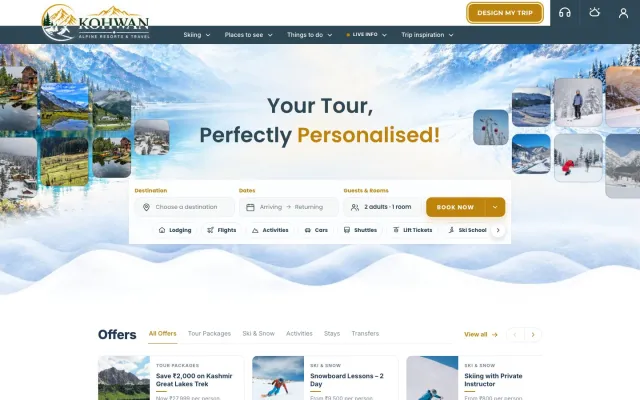
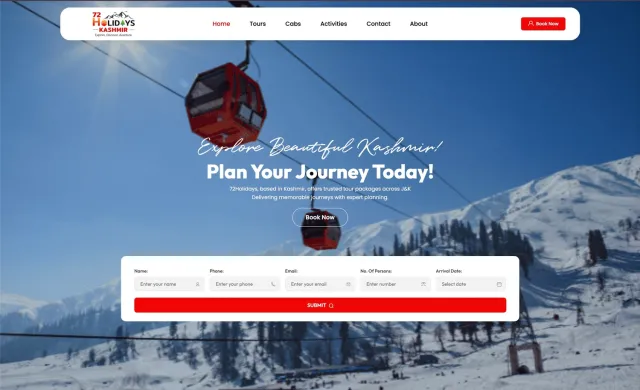
- Website. The inquiry form on your booking site posts the lead to the CRM's API, with the package the visitor was looking at. A tour and travel website can be built to do this from the first day.
- WhatsApp. Messages arrive through Meta's official WhatsApp Cloud API by webhook and attach to the lead. Outside the 24-hour window after the traveler's last message, replies must use templates Meta has approved, and the number stays in your company's Meta business account.
- Phone. Staff log a call with a quick-add form. A calling service that offers webhooks can create the lead by itself.
Phone numbers are stored in E.164 form, such as +14155550123, so a traveler who writes on WhatsApp and then calls from the same number stays one record. A report then shows inquiries and confirmed bookings by source.
Where does AI help in a travel CRM, and who pays for it?
AI helps with drafting, and staff keep every decision that involves a price or a customer. In JK Tour CRM an AI assistant can draft the itinerary using the customer's own API key, so the AI provider bills usage to that customer directly. I build it the same way for you.
- Useful: a first draft of the days from the lead's notes, a summary of a long WhatsApp thread, a pasted inquiry turned into dates, group size and interests.
- Not alone: sending a quote, changing a price or markup, marking money as received, messaging many travelers at once.
An assistant on your website and on WhatsApp can also collect trip details and create the lead before anyone on your team replies. Disclosure: MagizAI, an AI chatbot and live chat for websites and WhatsApp, is my own product, and I am its founder and CEO. Connecting such an assistant to your CRM is a separate scope.
Which travel CRM have I built?
JK Tour CRM, a travel CRM I built in Laravel with a Tailwind CSS interface for destination management companies, tour operators and travel agencies. Disclosure: it is a product of ElySpace, the company where I am CTO, not an independent client project. It took 5 weeks, and its product site is live at jktourcrm.com.
A lead moves through a pipeline from first contact to booking. Staff build an itinerary, which the AI assistant can draft, send it as a proposal and collect payment through Stripe, PayPal or Razorpay. A supplier ledger tracks what is owed to hotels and transport providers, a calendar shows departures, and access is controlled by role. The JK Tour CRM case study has the details. A CRM for your company starts from your own booking process, not from a copy of that product.
Outside travel, for Marmaids LLC, where I work as a freelance developer, I built a CRM together with the API, the Android and iOS apps and the WHMCS module around it.
Who owns the CRM, the traveler data and the supplier rates?
You do. The CRM runs on a server in your name, and the database on it is yours.
- Net rates and margins are visible only to the roles you choose, so an agent who leaves does not take your rate sheet.
- Full exports and deletes are separate permissions, and every change is written to an audit trail.
- A nightly
mysqldumpis copied off the server, and one restore is tested before go-live. - Payment, WhatsApp and AI provider accounts are opened in your company's name.
- You receive the repository at handover, and the quote says in writing who holds the rights to the custom code.
What will I not build into a travel CRM?
I will not build anything that puts traveler data or your supplier relationships at risk.
- No rates scraped from booking sites or from other operators' portals.
- No card numbers in the CRM. Card data stays with the payment gateway.
- No bulk WhatsApp messages to travelers who have not opted in.
- No copy of another vendor's travel software and no pirated scripts.
- No replacement for your accounting software.
How long does a travel CRM take, and what does it cost?
It is planned in phases, and each phase gets a date once its scope is written down. JK Tour CRM took 5 weeks. A first phase with the lead pipeline, contacts, tasks, quotes and payment links can fit the standard scope of my 7-day custom CRM, and the itinerary builder, supplier rates, vouchers and ledger follow as later phases. How long it takes to build a custom CRM explains what stretches a timeline.
Each phase is quoted after a free scoping call, once your booking steps, supplier types and integrations are written down.
Each phase is a fixed quote for a written scope, or $55 to $65 per hour. The price follows the number of supplier types and rate rules, the currencies, the integrations and the state of the data to import. We start with a free scoping call of about 30 minutes, the quote reaches you within one business day, and two weeks of support follow each delivered phase.
Who this is for
- Tour operators who write every itinerary in a word processor and send quotes as attachments
- Destination management companies (DMCs) that quote for partner agents abroad and pay hotels, drivers and guides per booking
- Travel agencies whose inquiries arrive on WhatsApp, the website and the phone, and get lost between them
- Companies paying for a travel CRM subscription while supplier payables still live in a spreadsheet
What is included
- A written scope: lead sources, pipeline stages, the quote layout, supplier types, roles and what waits for a later phase
- One lead pipeline fed by your website form, WhatsApp and calls logged by staff
- A day-wise itinerary builder with saved days, hotels, transfers and activities
- Branded PDF quotes and share links, with numbered revisions
- Supplier rates by season with your markup rules, and a ledger of what each supplier is owed and paid
- Hotel, transport and activity vouchers produced from the confirmed booking
- Deposits and balances through Stripe, PayPal or Razorpay, marked paid by signed webhooks
- A departures calendar, roles, an audit trail, the repository, deployment notes and a walkthrough
How the work runs
-
1
Follow one booking
On a free call of about 30 minutes we trace one recent booking from the first message to the last supplier payment. A written scope and quote follow within one business day.
-
2
Model rates and trips
I draw the tables for suppliers, seasonal rates, markups, itinerary days and bookings, plus a permission matrix. You review them once, before any code exists.
-
3
Build in phases
Pipeline and quotes first, then the itinerary builder, then suppliers, vouchers and the ledger. Your staff try each phase in a staging copy on real inquiries.
-
4
Rehearse the import
Hotels, rate sheets, past travelers and open bookings are loaded from your spreadsheets into staging, and the totals are checked against the source.
-
5
Go live
I run the final import, switch to live payment keys, make one real test payment and walk your team through the system on a call.
-
6
Hand over
You receive the repository, deployment and restore notes and a written user guide. Two weeks of support cover defects in each delivered phase.
Guides on this topic
All guides →-
How Long Does It Take to Build a Custom CRM?
A phase-by-phase answer: what decides a custom CRM timeline, typical scopes and what makes them longer, a day-by-day plan for a 7-day build, and what you as the buyer can do to make it faster.
-
Developer Retainer vs Hourly vs Fixed Price: Which Should You Pick?
How hourly billing, fixed-price projects and a monthly developer retainer work, who carries the risk in each, which kind of work suits which, and what to write into a retainer agreement.
-
AI Chatbot vs AI Agent: Which Does Your Business Need?
A chatbot answers from your content and an agent calls tools that change things. How tool calls work per the provider docs, the workflow option between them, how each is billed, and a decision table.
Frequently asked questions
Should we buy a ready-made travel CRM or build our own?
Buy first if a ready-made tour operator or travel agency product quotes the way you do. Several are built for itineraries and supplier rates, and you can start this month on a subscription. Build when your markups, meal plans, partner-agent prices or supplier payables keep ending up in a side spreadsheet, when the CRM must sit behind your own booking website, or when per-user fees grow with every agent you hire. On the scoping call I say plainly if buying is the better route.
Can it build day-wise itineraries and send branded PDF quotes?
Yes. Staff assemble a trip from saved days, hotels, transfers and activities, and each line is priced from the supplier's rate for those dates plus your markup. The quote is rendered as a PDF with your logo, colors, inclusions, exclusions and payment terms, or sent as a share link. Revisions are numbered, and the version the traveler accepts is locked, so the vouchers and the supplier ledger use the same figures.
Can it handle supplier rates, markups, vouchers and supplier payments?
Yes. Rates are stored per supplier, season and room or vehicle type, including hotel meal plans such as CP or MAP. A markup can be a percentage or a fixed amount per supplier type, season or partner agent, and net rates stay hidden from roles that should not see them. Each confirmed service produces a voucher, and a supplier ledger shows what is owed, paid and outstanding. In JK Tour CRM, a supplier ledger tracks what is owed to hotels and transport providers.
Can leads from WhatsApp, the website and phone calls land in one pipeline?
Yes. The website form posts each inquiry to the CRM along with the package the visitor was viewing. WhatsApp messages arrive through Meta's official WhatsApp Cloud API and attach to the lead, and staff reply from inside the CRM. Calls are logged with a quick-add form, or created automatically if your calling service offers webhooks. Numbers are stored in international format, so one traveler on two channels becomes one record, and every lead keeps its source for reporting.
How long does a travel CRM take, and what does it cost?
JK Tour CRM took 5 weeks. A first phase with the pipeline, quotes and payment links can fit my 7-day custom CRM scope, and the itinerary builder, supplier ledger and vouchers follow in phases, each dated once it is scoped. Each phase is a fixed quote after a free scoping call, or $55 to $65 per hour, depending on supplier types, rate rules, currencies and integrations. The guide how long it takes to build a custom CRM explains what stretches a timeline.
Can AI draft itineraries, and who pays for the AI usage?
Yes. The assistant drafts the days from the lead's notes, using your own saved itinerary days and hotels, and a staff member edits, prices and sends the result. It never sends a quote or changes a price on its own. As in JK Tour CRM, it runs on your company's own API key with an AI provider such as OpenAI or Anthropic, so the provider bills usage to you directly. You can set a spending limit in that provider account.
Related services
-
Custom CRM Development: Hire a CRM Developer
Custom CRM development in Laravel for businesses that HubSpot or Zoho does not fit: pipeline, quotes, payments...
-
Custom CRM in 7 Days: Built, Tested and Handed Over
A custom CRM delivered in 7 days: pipeline, contacts, tasks, quotes, roles and reports, built on my own CRM ba...
-
Tour and Travel Website Development for Tour Operators and Hotels
Tour and travel website development for tour operators, agencies and hotels: package pages, seasonal prices, d...
-
Business Automation Development: Connect the Tools You Already Use
Business automation development by a workflow automation developer: webhooks, APIs, scheduled jobs, n8n or cus...
Ready to talk about your project?
You deal with me personally from the first message to the handover. Choose the way that suits you; I reply within one business day.